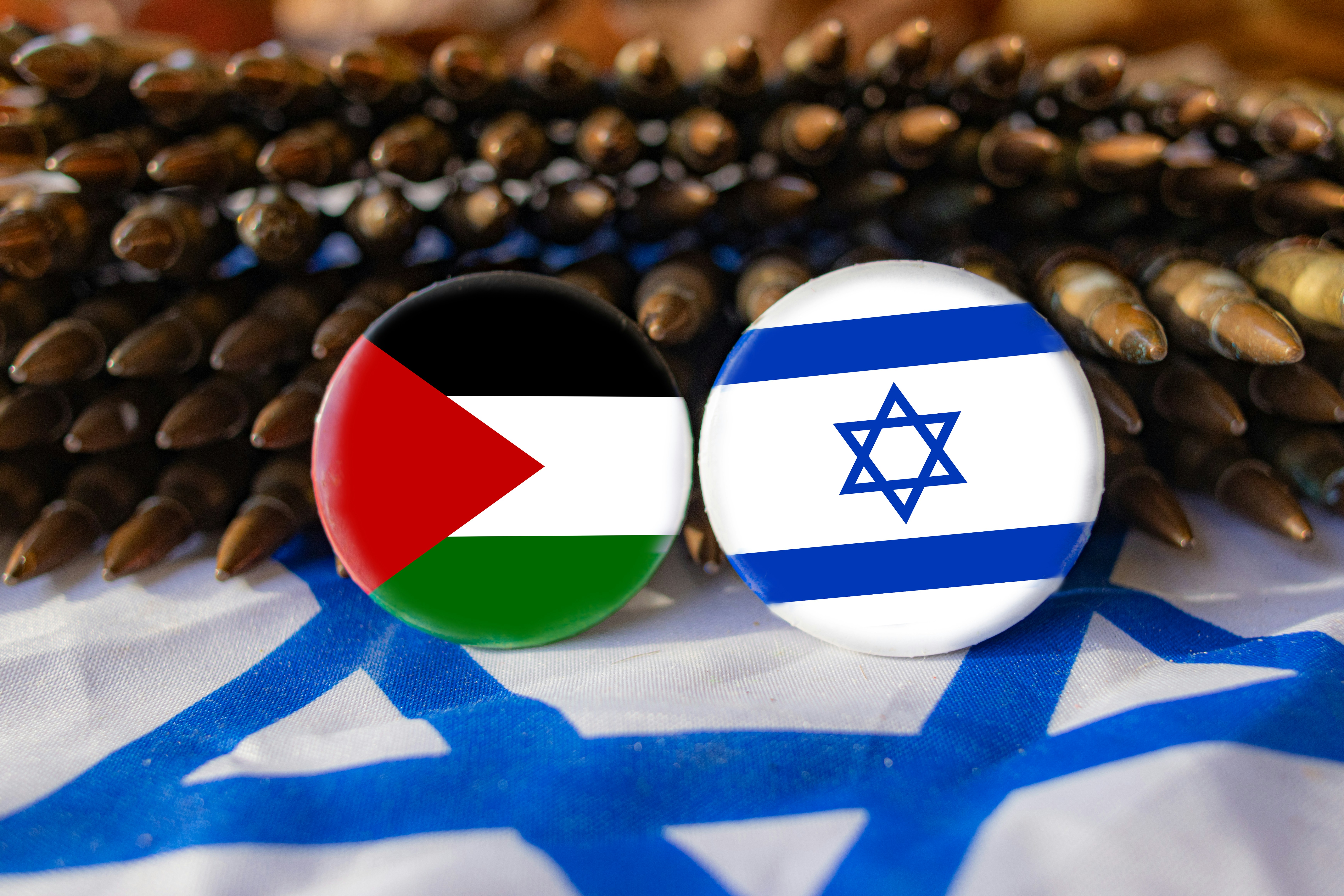
Introduction to the Iran-Israel Conflict
The Iran-Israel conflict is a complex and multifaceted issue that dates back to the shift in power dynamics in the Middle East in the mid-20th century. Historically, the relationship between Iran and Israel was relatively amicable, particularly during the reign of the Shah of Iran, when both nations shared mutual interests in combating Arab nationalism and securing economic stability. However, the 1979 Islamic Revolution dramatically transformed Iran’s political landscape and its stance towards Israel.
Post-revolution, the new Islamic Republic of Iran designated Israel as an enemy state, advocating for its opposition to the Jewish state’s existence. This ideological shift solidified a hostile relationship rooted in political, religious, and territorial disputes. Key events that contributed to this growing animosity included Iran’s support for militant groups like Hezbollah in Lebanon and Hamas in the Palestinian territories, both of which fundamentally challenge Israel’s security.
In the ensuing decades, periodic escalations in violence, such as the 2006 Lebanon War and various confrontations in Gaza, have further strained relations. Moreover, Iran’s nuclear ambitions have become a critical focal point, spurring fears amongst Israeli leadership and fostering a sense of urgency to counter any existential threats. The international community’s involvement, punctuated by sanctions and diplomatic negotiations, has added another layer of complexity to the ongoing tension.
As we examine the Iran-Israel conflict today, it is essential to recognize not only the historical context and pivotal events that have defined their relationship but also the geopolitical ramifications that influence broader Middle Eastern stability. Understanding these elements is crucial to deciphering the challenges and potential pathways toward peace in the region.
Key Players and Their Motivations
The Iran-Israel conflict is shaped by numerous stakeholders whose motivations reflect a complex interaction of ideological, political, and military interests. At the forefront of this conflict are Iran and Israel, two nations with deeply rooted enmity that stems from historical grievances and contrasting visions for the region.
Iran, driven by a mix of religious ideology and nationalist fervor, perceives itself as a leader in the Muslim world opposing Western influence, particularly that of the United States and its allies, of which Israel is a key player. The Iranian government promotes a narrative of resistance against what it terms “Zionist occupation” and sees the Palestinian cause as integral to asserting its regional leadership. Furthermore, Iran’s pursuit of nuclear capabilities has heightened its military ambitions, promising a deterrent against perceived threats, particularly from Israel, which has a nuclear arsenal of its own. This nuclear dimension adds layers of urgency and complexity to Iran’s motivations.
Conversely, Israel’s motivations are heavily influenced by its security concerns and historical experiences of existential threats. The Israeli government views Iran’s military developments, particularly its missile capabilities and support for militant groups like Hezbollah, as direct threats to its sovereignty and safety. Therefore, maintaining military superiority in the region is paramount for Israel. This has led Israel to engage in preemptive strategies, including targeted military strikes against Iranian assets in Syria and throughout the Middle East, aimed at disrupting Iran’s military entrenchment near its borders.
Other regional players, such as Saudi Arabia and the United States, also influence the dynamics of the Iran-Israel conflict. Saudi Arabia views Iran as a rival for regional hegemony, promoting its own vision of a more Sunni-centric leadership against perceived Shia threats. Meanwhile, the United States has aligned itself with Israel, providing military aid and establishing diplomatic ties aimed at countering Iranian influence. The interplay of these motivations among various stakeholders continues to exacerbate tensions and complicate the path to peace in the region.
Recent Developments in the Conflict
The state of the Iran-Israel conflict has seen significant escalations in recent months, marked by military actions, diplomatic shifts, and power struggles that illustrate the complexities of the region. These developments have contributed to heightened tensions, drawing international attention and concern.
One of the most notable incidents occurred in early 2023 when Israel conducted airstrikes on multiple targets within Iran. These strikes aimed at weakening Iran’s military capabilities, particularly those related to its nuclear program and support for militant groups in the region. Reports indicate that these actions were a direct response to perceived threats emanating from Iran, amid fears that Iran’s advancements in its nuclear program could destabilize military equilibrium in the Middle East.
In addition to military actions, diplomatic maneuvers have also characterized this period. Israel has sought to strengthen alliances with key nations, particularly within the Gulf states, as a strategic counterbalance to Iranian influence. These efforts have been exemplified by recent normalization agreements between Israel and several Arab nations. Furthermore, public statements from Israeli leaders emphasize an unwavering commitment to countering Iranian aggression, coupled with a willingness to engage in dialogue with international partners to address shared security concerns.
On the other hand, Iranian leaders have responded with defiance, reiterating their commitment to their nuclear program and support for proxy groups operating against Israel. The rhetoric from Tehran has included threats to retaliate against Israeli interests globally, raising the stakes for future confrontations.
As the situation develops, the interplay of military confrontations and diplomatic initiatives continues to shape the trajectory of the Iran-Israel conflict, reflecting the broader geopolitical tensions at play in the region.
International Response to the Conflict
The ongoing conflict between Iran and Israel has drawn significant attention from the international community, resulting in a range of responses that reflect the complexities of global geopolitics. The United States, being a key ally of Israel, has consistently expressed strong support for Tel Aviv, often condemning Iranian actions perceived as threatening to regional security. Through various diplomatic channels, including sanctions against Iranian military advancements and missile programs, the U.S. aims to curtail what it views as aggressive posturing by Tehran.
In addition to economic sanctions, the U.S. administration has pursued strategic partnerships with nations across the Middle East. Initiatives such as the Abraham Accords showcased a pivotal shift in diplomatic relations, fostering ties between Israel and several Arab nations. However, these diplomatic maneuvers have also drawn criticism, particularly from Iran, which perceives them as attempts to isolate it on the regional and international stage.
Conversely, the European Union (EU) has adopted a more balanced approach, emphasizing dialogue and diplomacy over military actions. The EU has expressed concern over Iran’s nuclear program and its implications for regional stability, advocating for adherence to the Joint Comprehensive Plan of Action (JCPOA). Efforts by European leaders to mediate between Iran and Israel highlight the organization’s commitment to maintaining peace, although these initiatives often face challenges amid rising tensions and diverging interests.
Furthermore, other nations have engaged in varied responses. Russia and China, for instance, have extended their support to Iran, underscoring their geopolitical interests in the region. Their involvement complicates the situation, contributing to a multipolar dynamic that significantly impacts the prospects for peace. Ultimately, the international response to the Iran-Israel conflict not only affects immediate interactions between these two nations but also shapes the broader geopolitical landscape in the Middle East.
The Role of Militant Groups
The Iran-Israel conflict is intricately linked to the involvement of various militant groups and proxies, particularly those that receive support from Iran. These groups play a significant role in shaping the dynamics of the conflict and influencing the broader regional landscape. Notably, Hezbollah, a Lebanese Shiite militant group, is one of the most prominent Iranian proxies in this theater. Founded in the early 1980s, Hezbollah has evolved into a powerful military and political force, often acting as an extension of Iranian influence in Lebanon and beyond.
Hezbollah receives substantial military and financial support from Iran, enabling it to acquire advanced weaponry and training that enhances its operational capabilities. Furthermore, its involvement in conflicts, such as the Syrian Civil War, has allowed it to gain combat experience and strengthen its ties with Iran. This relationship presents a direct challenge to Israel, which views Hezbollah as a highly credible threat due to its capacity to launch precision attacks across the border.
In addition to Hezbollah, other militant groups, such as the Islamic Jihad Movement in Palestine and various militia factions in Iraq and Syria, also benefit from Iranian backing. These groups engage in activities that are often hostile to Israeli interests, whether through direct confrontation or by instigating tensions in the region. Iran’s strategy of cultivating these proxies serves not only to extend its influence but also to create a multi-front confrontation for Israel, complicating its security calculations.
The role of these militant groups extends beyond military engagement. They also partake in psychological warfare, disseminating anti-Israeli propaganda and rallying support among sympathetic populations in the region. This contributes to a volatile environment that significantly affects the geopolitical landscape, reinforcing divisions within Middle Eastern societies while simultaneously posing a formidable challenge to Israeli security and stability.
Potential Consequences of Escalation
The ongoing Iran-Israel conflict, characterized by historical grievances and mutual hostilities, presents various potential consequences if escalated further. The military dimension of this conflict is particularly alarming. Should hostilities intensify, both nations might engage in more direct military confrontations, leading to widespread devastation. Israel, boasting advanced military capabilities, could launch retaliatory strikes, aiming to neutralize Iranian threats. Conversely, Iran’s conventional and asymmetrical warfare strategies, including its proxy militias across the region, would pose significant challenges to Israel’s security. Thus, an escalation could spiral into a broader regional conflict, drawing in various neighboring countries that have vested interests in the outcome.
Humanitarian implications would also be severe as civil populations in both Iran and Israel may bear the brunt of increased violence. Escalating military operations could lead to civilian casualties, displacement, and a humanitarian crisis affecting thousands. Should the conflict result in a large-scale war, international humanitarian organizations would face immense challenges in providing necessary assistance to affected communities, exacerbating suffering and instability in the region.
Furthermore, the geopolitical consequences of an escalating Iran-Israel conflict could reshape alliances and power dynamics across the Middle East. Countries such as the United States, Russia, and others would likely be compelled to reassess their positions and strategies concerning both nations. An intensified conflict could catalyze new alliances among regional players, complicating existing geopolitical frameworks. For instance, nations historically aligned with Iran might deepen their support, while those backing Israel could enhance military or political backing. This shift in alliances could significantly affect global security and economic stability, particularly concerning oil markets and international relations.
Peace Efforts and Diplomatic Solutions
The Iran-Israel conflict has persisted for decades, marked by military confrontations, political hostilities, and deep-rooted ideological differences. Throughout this long-standing rivalry, various peace efforts and diplomatic initiatives have emerged, attempting to foster dialogue and mitigate tensions. Historical context reveals that both nations have, at times, engaged in negotiations; however, these endeavors have often fallen short due to mutual distrust and unresolved geopolitical interests.
One prominent attempt at peace was the Oslo Accords in the 1990s, which sought to establish a framework for addressing broader Middle East tensions, including those involving Iran and Israel. However, these accords did not directly involve Iran and were primarily focused on Israeli-Palestinian issues. Consequently, they did little to rectify the animosities that have characterized relations between Iran and Israel.
More recently, initiatives such as the Abraham Accords, which normalized relations between Israel and several Arab nations, have raised questions about Iran’s stance in the region. Some analysts assert that these agreements might pressure Iran into reevaluating its hostile posture toward Israel. Yet, this perspective remains contentious, as Iran continues to view Israel as a chief adversary, undermining the likelihood of direct dialogue.
To ameliorate tensions, diplomatic solutions must prioritize mutual respect and understanding. Acknowledging shared regional interests, such as stability and economic cooperation, could open pathways to constructive engagement. Influential countries could facilitate discussions, emphasizing the importance of trust-building measures, such as reducing military provocations and encouraging cultural exchanges.
In conclusion, while peace efforts have encountered significant obstacles, the pursuit of diplomatic solutions remains essential for fostering a more stable and peaceful Middle East. It is imperative that both nations engage in a dialogue focused on reconciliation and cooperation, seeking to overcome their historical suspicions.
Public Opinion and Propaganda
The Iran-Israel conflict is deeply entwined with the public opinions prevalent within both nations. These opinions, shaped by cultural, historical, and political factors, play a significant role in perpetuating hostilities. In Iran, the government tightly controls the media landscape, allowing for limited exposure to opposing viewpoints. The result is a population largely influenced by state-sponsored narratives portraying Israel as an existential threat. Propaganda becomes a powerful tool in this context, as it cultivates a unified public perception hostile to Israel, reinforcing the government’s stance and justifying its policies.
Conversely, in Israel, public opinion is more varied and often reflects a spectrum of perspectives ranging from hardline to peaceful coexistence. The Israeli media, while independent, can sometimes facilitate an echo chamber effect, amplifying nationalist sentiments that view Iran as a primary adversary. The portrayal of events in both mainstream and social media channels profoundly influences how citizens understand the conflict, leading them to adopt polarized views on sensitive issues such as military responses and diplomatic engagement.
Moreover, both countries engage in information warfare, utilizing social media as platforms to disseminate their narratives globally. Propaganda campaigns aim to sway not only their domestic audiences but also international perceptions. In this digital age, misinformation can easily spread and shape beliefs about the conflict. The advent of social media has automated the process, allowing misleading content to circulate widely before it is verified. As a result, public opinion in Iran and Israel becomes an ongoing battle of narratives, each seeking to highlight their own grievances while undermining the other’s credibility. This dynamic further complicates the prospects for resolution and contributes to the ongoing cycle of tension between the two nations.
Conclusion and Outlook
The Iran-Israel conflict is a multifaceted and enduring struggle, deeply rooted in historical grievances, ideological differences, and geopolitical interests. Throughout this discussion, we have highlighted the key elements defining this contentious relationship, notably Iran’s nuclear ambitions, its support for proxy groups across the region, and Israel’s security concerns stemming from these activities. Both nations are entrenched in a cycle of hostility, marked by periodic escalations that have extensive implications not only for their immediate surroundings but for global stability.
As we examine the current trajectory of the conflict, it is essential to recognize the shifting dynamics at play. For instance, the evolving political landscape in the Middle East, particularly with the normalization of relations between Israel and several Arab nations, could influence Iran’s strategies and its continued support for militias and insurgent groups. Additionally, Iran’s domestic politics, coupled with international pressure concerning its nuclear program, might push it towards a more conciliatory stance or exacerbate its adversarial posture.
Looking ahead, potential scenarios range from intensified conflict to cautious diplomacy. The influence of external parties, such as the United States and European nations, will likely play a critical role in shaping these outcomes. Similarly, unforeseen regional developments, such as economic crises or shifts in public sentiment within Iran and Israel, could significantly alter the landscape. Ultimately, the resolution of the Iran-Israel conflict requires a comprehensive understanding of the underlying issues, as well as a commitment from all involved to pursue avenues of dialogue. It is only through such efforts that a sustainable peace can be envisioned in this volatile region, one characterized not by continued strife but by cooperative efforts towards stability and security.






Leave a Reply