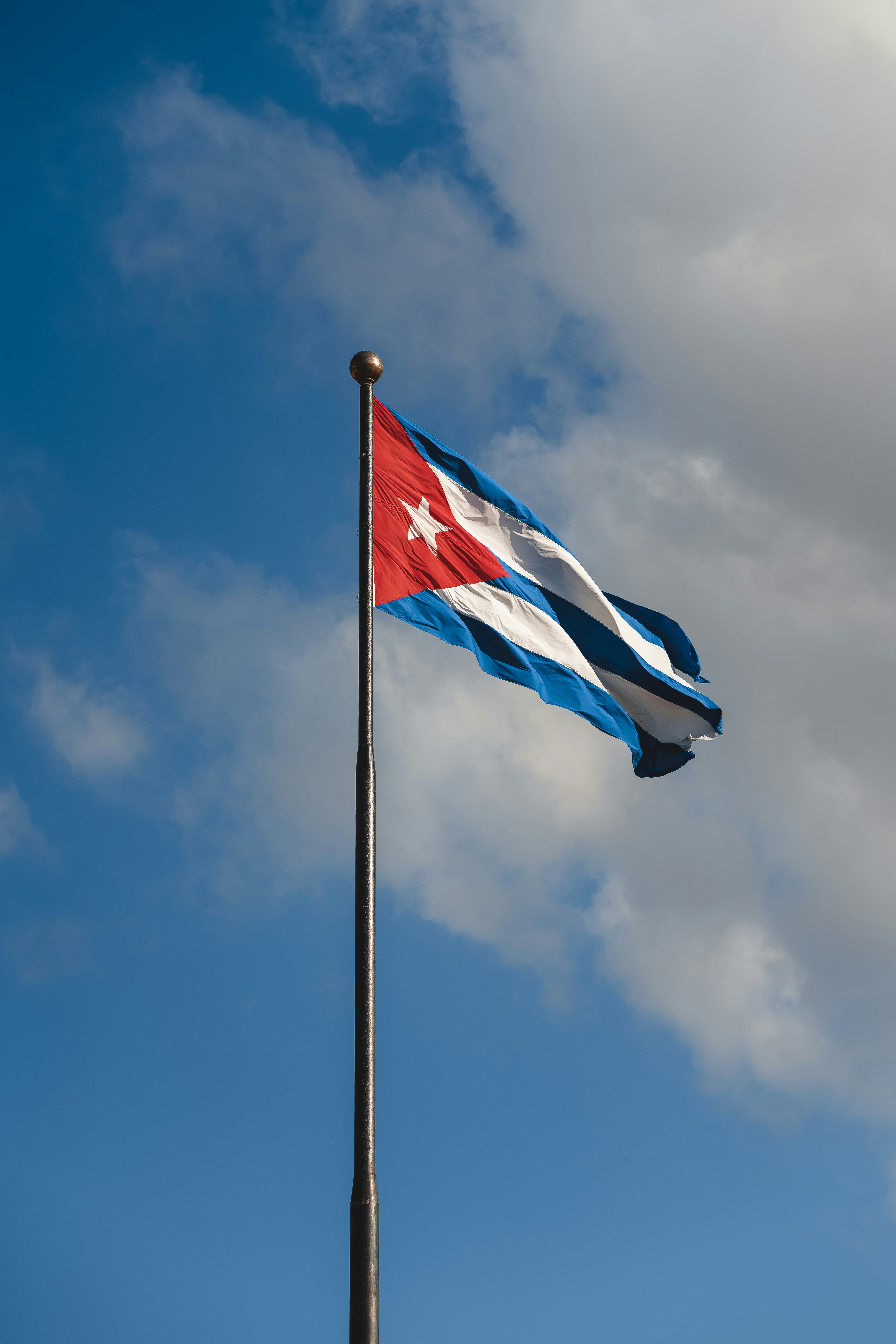
The topic of President Donald Trump’s interest in potentially invading Cuba is one that reflects broader themes in U.S. foreign policy, particularly in relation to its historical engagement with the island nation. Understanding the motivations behind such a controversial stance requires an examination of past U.S.-Cuba relations, the geopolitical landscape, and the implications of military action.
Throughout history, Cuba has been a focal point of U.S. foreign policy, beginning with the Spanish-American War in 1898, which resulted in U.S. control over the island. This influence has ebbed and flowed, especially after the Cuban Revolution in 1959, which established a communist government under Fidel Castro, leading to decades of tension between the two nations. The U.S. response to the Cuban government’s alignment with the Soviet Union during the Cold War introduced sanctions and military strategies designed to isolate Cuba and prevent its ideological influence from spreading in the Americas.
Under President Trump, a renewed interest in U.S.-Cuba relations emerged, influenced significantly by campaign promises and a desire to reverse the diplomatic thaw initiated by the Obama administration. His administration signaled a more hawkish approach, including the potential for increased military action as a tool of foreign policy. While Trump cited concerns over human rights abuses, national security, and the influence of foreign adversaries in the hemisphere, his strategy raised questions about the rationale and feasibility of a military invasion.
In this context, it is essential to explore the various factors that may have underpinned Trump’s interest in military action against Cuba, including the strategic benefits for the United States and the potential consequences on international relations and regional stability. The discussion surrounding a possible invasion of Cuba serves as an exploration of historical grievances, national interests, and the complexities of foreign intervention.
Historical Context of U.S.-Cuba Relations
The relationship between the United States and Cuba has been long and complex, marked by a series of defining moments that have significantly shaped perceptions and policies. The early interactions between the two nations can be traced back to the colonial era, when American merchants and planters established trading relations with the island, capitalizing on Cuba’s rich resources and strategic location in the Caribbean.
The Spanish-American War of 1898 marked a turning point in U.S.-Cuba relations. Following the war, the United States emerged as a significant power in the Caribbean and effectively took control of Cuba, albeit nominally granting it independence. The Platt Amendment of 1901 further solidified U.S. influence on the island by granting the U.S. the right to intervene in Cuban affairs, which fostered resentment among Cubans towards American involvement in their domestic politics.
In the ensuing decades, U.S. economic interests heavily influenced Cuban politics, leading to a series of authoritarian regimes that maintained pro-American policies. However, the Cuban Revolution of 1959, led by Fidel Castro, radically shifted the dynamic between the two nations. Castro’s rise to power was fueled by nationalist and anti-imperialist sentiments, leading to the nationalization of American-owned businesses and properties, which heightened tensions and prompted U.S. hostility.
The Cold War era further exacerbated U.S.-Cuba relations, as Cuba aligned itself with the Soviet Union. The Cuban Missile Crisis of 1962 emerged as a critical moment in the rivalry, showcasing the seriousness of the conflict. U.S. policies aimed at isolation and economic embargoes were implemented, which persisted for decades. This historical backdrop underscores how U.S. perceptions of Cuba have been shaped by events like the Cuban Revolution and the geopolitical considerations of the Cold War.
Trump’s Political Motivations
President Donald Trump’s consideration of military action against Cuba can be examined through the lens of his political motivations, which intertwine with his broader agenda. One of the pivotal factors is his desire to galvanize his domestic base. Throughout his presidency, Trump often appealed to the sentiments of American citizens who express disdain for socialism and communism, ideologies associated with the Cuban government. By portraying Cuba as an ideological enemy, Trump’s rhetoric aimed to solidify support among conservatives and anti-socialist factions within the United States.
Furthermore, Trump’s approach to Cuba aligns with his penchant for assertive foreign policy as a mechanism for enhancing his standing among voters. Military action or the threat thereof serves to reinforce a perception of strength and decisiveness, traits that his base finds appealing. This strategic positioning resonates with the historical context of U.S.-Cuba relations, where past administrations have faced scrutiny for perceived passivity towards Cuba’s authoritative regime.
Moreover, Trump’s considerations were underscored by the political pressure from Cuban-American voters, particularly in key states such as Florida. The Cuban-American community, often comprising individuals with strong anti-Castro sentiments, has exhibited political gravitation towards candidates that promise a hardened stance against the Cuban government. By contemplating military intervention, Trump aimed to reaffirm his commitment to addressing the concerns of this demographic, thus reinforcing his appeal during elections.
Lastly, this proposed action against Cuba can be seen as part of Trump’s broader agenda that sought to redefine America’s position on communist regimes. By accentuating his administration’s anti-communist rhetoric through potential military action, he aimed to demonstrate a clear demarcation from previous administrations’ diplomatic methods, ultimately positioning himself as a staunch defender of democracy and freedom against totalitarianism.
Economic Interests in Cuba
The prospect of an invasion of Cuba by the United States under President Donald Trump can be viewed through the lens of economic interests. One of the primary motivations could stem from the significant natural resources that Cuba possesses. Under the previous regime, these resources remained largely untapped due to economic sanctions and trade restrictions. Access to Cuba’s vast reserves of nickel, cobalt, and petroleum, along with its potential for agricultural production, could be an attractive proposition for American businesses seeking expansion and diversification.
In addition to natural resources, Cuba presents substantial opportunities in the tourism sector. The island’s beautiful beaches, rich culture, and historical sites make it a prime destination for American tourists. Normalizing relations through invasion might open the floodgates for a booming tourism industry, benefiting U.S. airlines, hotels, and entertainment businesses. This potential economic revival could contribute significantly to the U.S. economy, as tourists would travel to Cuba, resulting in increased spending and financial flows.
Furthermore, the idea of a post-Castro Cuba might stimulate new investment opportunities for U.S. companies. American businesses have long been interested in Cuba’s potential for growth, particularly in sectors like telecommunications, infrastructure, and healthcare. An invasion could lead to a regime change, facilitating the establishment of a pro-American government that might be more receptive to foreign investment. The transformation of the Cuban economy could potentially create a favorable environment for American enterprises, thus yielding long-term economic benefits.
Ultimately, the economic interests surrounding Cuba offer compelling reasons for a potential intervention. The combination of access to natural resources, a lucrative tourism market, and new investment opportunities could serve as significant motivators for the United States to consider an invasion of the island nation.
Geopolitical Considerations
The geopolitical dynamics surrounding Cuba are crucial in understanding President Donald Trump’s interest in the potential invasion of the island nation. Situated just 90 miles from the coast of Florida, Cuba’s strategic location has long been a focal point for U.S. security interests. The proximity of Cuba to the United States positions it as a significant player in regional stability and has led to heightened concerns over external influences that could jeopardize American interests.
One of the most pressing considerations is the presence of Russia and China in Latin America. Both countries have been increasingly active in the region, forging alliances and establishing military and economic ties with nations close to the United States. This encroachment could be seen as a direct threat, prompting the U.S. to reconsider its foreign policy towards Cuba. The historical context of the Cold War further complicates these relations, as Cuban allegiance to the Soviet Union during that era established deep-seated fears in the U.S. about the island becoming a base for hostile powers.
Moreover, maintaining U.S. dominance in the Americas is critical for American strategic interests. An unstable or adversarial Cuba could serve as an operational outpost for anti-American activities, thereby necessitating a strong U.S. response. The idea of invasion, therefore, might stem from the perception that an engaged and compliant Cuban government would enhance security by eliminating fears of foreign military presence on its doorstep. Building strong diplomatic and economic relationships could subsequently fortify the United States’ influence over Latin America and its borders.
Human Rights and Democracy Promotion
The discussion around U.S. intervention in Cuba historically hinges on the narrative of human rights and democracy promotion. Advocates for intervention often emphasize the need to address alleged human rights abuses perpetrated by the Castro regime, which has faced persistent criticism for its repressive measures against dissent, freedom of speech, and political opposition. The Cuban government’s record reflects severe limitations on personal freedoms and systemic violations of civil rights, prompting calls for international action aimed at fostering democratic change.
Supporters of President Donald Trump’s proposed intervention frequently argued that by intervening in Cuba, the United States would be taking a stand against tyranny and supporting the Cuban people’s quest for freedom. This argument aligns with a broader U.S. foreign policy framework that prioritizes human rights as a justification for intervention. The moral imperative to promote democratic governance is often highlighted, asserting that the U.S. has a responsibility to assist nations in their pursuit of freedom and justice.
Moreover, the promotion of democracy is not solely an ethical undertaking; it is also perceived as beneficial to U.S. interests. Proponents contend that establishing a democratic government in Cuba could lead to enhanced stability in the region, greater alignment with U.S. foreign policy objectives, and an opportunity for economic integration that could yield benefits for both nations. By endorsing democracy and human rights in Cuba, the United States would not only fulfill a principled stance but also create an environment conducive to fruitful diplomatic relations.
However, critics caution against oversimplifying the narrative, arguing that while human rights and democracy are vital goals, the execution of interventionist policies often yields complex and unintended consequences, raising questions about the efficacy and morality of such actions. Thus, while the arguments for intervention rooted in human rights and democracy promotion resonate with many, they also invite scrutiny on the methods and motivations underlying foreign policy decisions in relation to Cuba.
Regional and International Reactions
The hypothetical scenario of a U.S. invasion of Cuba would engender a complex web of reactions from both regional and global players. To begin with, Latin American countries would likely respond with significant alarm and condemnation. Historically, nations within this region have been sensitive to U.S. interventionism, particularly following past events such as the Bay of Pigs invasion and the Cuban missile crisis. Countries such as Mexico and Argentina, which emphasize sovereignty and non-intervention, would vocally oppose military actions, potentially fostering a united front against perceived U.S. aggressions.
Furthermore, organizations such as the Community of Latin American and Caribbean States (CELAC) and the Union of South American Nations (UNASUR) would likely amplify their criticism, stressing diplomatic resolutions rather than military interventions. This could usher in renewed anti-U.S. sentiments across Latin America, complicating diplomatic ties and potentially leading to further isolation of the U.S. in the region.
On the international stage, U.S. NATO allies might exhibit divided stances. While some countries may align with the U.S. based on historical ties and shared democratic values, others could echo the concerns of Latin America, advocating for dialogue instead of military action. This divergence could strain transatlantic relations and prompt a reassessment of mutual commitments within NATO.
The economic implications cannot be overlooked either. An invasion could elicit sanctions or retaliatory measures from nations opposed to U.S. maneuvers, disrupting trade relationships and causing volatility in global markets. Additionally, the potential for destabilization in the Caribbean could impact economic forecasts, affecting sectors ranging from tourism to energy supplies.
In conclusion, the fabric of international relations would be heavily tested in the wake of a U.S. invasion of Cuba. The regional backlash from Latin America, the mixed reactions from NATO allies, and the significant economic ramifications underscore the complexity and potential repercussions of such an action.
Risks and Consequences of Military Action
The prospect of a military invasion of Cuba by the United States carries a multitude of risks and consequences that could impact both nations significantly. First and foremost, a military intervention would likely lead to immediate military conflict, resulting in casualties, destruction, and destabilization in the region. Given Cuba’s geographical proximity to the United States, the ramifications of such an action could escalate rapidly, potentially involving other nations and drawing the U.S. into a larger conflict. This scenario raises the stakes, necessitating a careful examination of the potential military repercussions.
Moreover, the economic consequences of invading Cuba cannot be overlooked. Military operations often require substantial financial resources, which could divert funding from crucial domestic initiatives. The economic fallout could extend beyond the costs of military engagement, potentially triggering international sanctions or diplomatic isolation. As global trade networks become increasingly interconnected, any hostilities may lead to boycotts or trade embargoes, further impacting the U.S. economy and its global standing.
Socially, the consequences of invading Cuba may manifest through heightened anti-American sentiment, both in Cuba and among allied nations. Such feelings could stem from perceptions of American imperialism and interference in the sovereign affairs of a nation. An invasion could inflame longstanding grievances, fostering a climate of distrust that complicates future diplomatic relations and collaboration. Additionally, the risks of retaliation from Cuba, in the form of asymmetric warfare, could pose significant challenges to U.S. national security.
In the context of long-term foreign policy, the implications of a military action against Cuba would likely reverberate for decades. The perceived aggressiveness of the U.S. could diminish its global influence, undermining its ability to forge alliances and effectuate peace in other regions. Thus, the overarching risks and consequences of a military invasion of Cuba warrant serious consideration, necessitating strategic foresight in U.S. foreign policy development.
Conclusion
In evaluating President Donald Trump’s interest in a military intervention in Cuba, it is crucial to acknowledge the multifaceted motivations that underpinned such considerations. Historical tensions, particularly those stemming from the Cold War era, significantly influenced America’s perspective toward Cuba. Notably, the Cuban Missile Crisis and ongoing political ideological differences contributed to the prolonged adversarial stance. Trump’s approach encompassed both strategic rationale and the nation’s enduring aspirations to undermine authoritarian regimes in the region.
Furthermore, economic benefits associated with a potential military action were also on the table. The prospect of opening up trade markets and accessing Cuba’s resources could have bolstered the U.S. economy while fostering a renewed geopolitical influence in Latin America. Trump’s administration viewed such intervention not merely as a threat to national security but also as a pathway to reshape diplomatic relations, aiming to foster a favorable environment for American business interests.
However, any military action would carry significant risks and complexities. The potential backlash from Cuba’s government, possible regional instability, and the impact on existing U.S. relations with other Latin American countries could lead to unforeseen consequences. Consequently, the notion of invading Cuba is not just a matter of straightforward strategic advantage; it is intertwined with socio-political dynamics that demand thorough analysis.
Looking ahead, the implications of Trump’s stance on Cuba are likely to reverberate through future U.S.-Cuba relations. The intertwining of military, economic, and diplomatic factors could either pave the way for warmer relations or exacerbate existing tensions. Ultimately, understanding these dimensions is essential for grasping the potential outcomes of any actions taken by the U.S. in relation to Cuba.






Leave a Reply